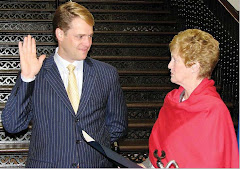
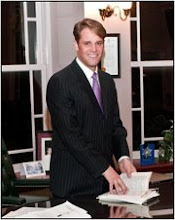
I want to Invite you to join us for a reception to benefit U.S. Congressional Candidate (Former Mayor of Waterbury) State Senator Sam Caligiuri, Esq. on Monday, February 22, 2010 5:30pm at 91 William Street New Haven, CT 06511 Requested contribution to Sam Caligiuri for Congress Please RSVP by February 19, 2010 to(860) 255-8433 or rsvp@samforcongress.com www.samforcongress.com, Please make checks payable to:Sam Caligiuri for Congress mail to P. O. Box 11252, Waterbury, CT 06703
An Invitation from Mayor Jason McCoy, Jay Malcynsky & Kenneth Rozich
January 28, 2010
An Invitation from Mayor Jason McCoy to an event for State Senator Sam S. F. Caligiuri
January 27, 2010
Reps. field tough budget questions Article | ReminderNews
Article ReminderNews: "On the heels of the Lt. Governor’s visit to the previous Town Council meeting on Jan. 5, Sen. Tony Guglielmo and Reps. Joan Lewis and Clarie Janowski sat in front of the council last Tuesday, and gave their insights into the state’s budget and how it affects Vernon and other towns."
“Do you want the bad news, or do you want the bad, bad news,” Janowski quipped.
“All we know is that the [state] budget deficit is getting worse,” she said. “We’re not going to be in the position next year to do some of the things we wanted to do this past budget session.”
She added that federal funding is completely unknown, and therefore the state is in a similar position to the towns - waiting to see what is going to happen.
Echoing Janowski, Lewis said the state is working to fill its deficit in the hundreds of millions, and will have to make cuts and/or find other funds.
“It’s not going to be an easy year by any means.” Lewis said, adding that she and Janowski are on a task force looking at ways municipalities can save money through regionalization.
“We are looking at these subjects. We’re hoping that we can all look at ways of shrinking government,” Lewis said. “I know several towns are already doing things regionally.”
“We’ve got a deficit that grows daily,” Guglielmo said, adding that a $3-5 billion hole is projected for 2012.
“Unless the revenue comes roaring back, which no one is predicting,” he said, “it’s going to be a long haul.”
Calling that the “short-term bad news,” Guglielmo said the long-term , unfunded liabilities, like state employees’ pension funds and health insurance pension funds, which were not taken care of in the “good times,” could total nearly $50 billion.
“We did what a lot of families do,” he said. “When we had the money coming in, we didn’t pay off the liabilities we had, instead we went out and did new things.” Guglielmo said the plus-side is that Connecticut is a wealthy state. “If we have any semblance of common sense, we’ll be fine,” he said. Councilman Dan Champagne complained about unfunded mandates. “How about taking some of those back,” he said, “giving us some relief.” Janowski said she gets many calls about the mandates, and that town leaders should list them for the house committees that are looking at them.
Before voting on these things, Champagne said, we should look at what they are going to cost the town of Vernon.
Councilman Mark Etre suggested, essentially , a state spending “freeze.”
“Don’t allow anything to pass,” he said. “Only work to cut your budget. Don’t pass any new laws. Don’t tax anything new.”
Guglielmo said that is actually a rule for the upcoming session. But, Janowski said that is not quite what it seems, because some of the budget items are part of ongoing negotiations that involve aid to the towns.
Deputy Mayor Brian Mottola (filling in for Mayor Jason McCoy) said the mayor and town staff have done a great job of “cutting to the bone,” when it comes to the town budget.
“Other communities haven’t done the surgical job that we have,” he said, and asked the representatives to keep in mind that any less funding for Vernonwill either reduce services or increase taxes, neither of which is anything the town wants to do.
“Do you want the bad news, or do you want the bad, bad news,” Janowski quipped.
“All we know is that the [state] budget deficit is getting worse,” she said. “We’re not going to be in the position next year to do some of the things we wanted to do this past budget session.”
She added that federal funding is completely unknown, and therefore the state is in a similar position to the towns - waiting to see what is going to happen.
Echoing Janowski, Lewis said the state is working to fill its deficit in the hundreds of millions, and will have to make cuts and/or find other funds.
“It’s not going to be an easy year by any means.” Lewis said, adding that she and Janowski are on a task force looking at ways municipalities can save money through regionalization.
“We are looking at these subjects. We’re hoping that we can all look at ways of shrinking government,” Lewis said. “I know several towns are already doing things regionally.”
“We’ve got a deficit that grows daily,” Guglielmo said, adding that a $3-5 billion hole is projected for 2012.
“Unless the revenue comes roaring back, which no one is predicting,” he said, “it’s going to be a long haul.”
Calling that the “short-term bad news,” Guglielmo said the long-term , unfunded liabilities, like state employees’ pension funds and health insurance pension funds, which were not taken care of in the “good times,” could total nearly $50 billion.
“We did what a lot of families do,” he said. “When we had the money coming in, we didn’t pay off the liabilities we had, instead we went out and did new things.” Guglielmo said the plus-side is that Connecticut is a wealthy state. “If we have any semblance of common sense, we’ll be fine,” he said. Councilman Dan Champagne complained about unfunded mandates. “How about taking some of those back,” he said, “giving us some relief.” Janowski said she gets many calls about the mandates, and that town leaders should list them for the house committees that are looking at them.
Before voting on these things, Champagne said, we should look at what they are going to cost the town of Vernon.
Councilman Mark Etre suggested, essentially , a state spending “freeze.”
“Don’t allow anything to pass,” he said. “Only work to cut your budget. Don’t pass any new laws. Don’t tax anything new.”
Guglielmo said that is actually a rule for the upcoming session. But, Janowski said that is not quite what it seems, because some of the budget items are part of ongoing negotiations that involve aid to the towns.
Deputy Mayor Brian Mottola (filling in for Mayor Jason McCoy) said the mayor and town staff have done a great job of “cutting to the bone,” when it comes to the town budget.
“Other communities haven’t done the surgical job that we have,” he said, and asked the representatives to keep in mind that any less funding for Vernonwill either reduce services or increase taxes, neither of which is anything the town wants to do.
January 26, 2010
Finally! Is that Coffee we smell? A Payroll Tax Break for Jobs
Did they finally wake up and smell the coffee? Isn’t payroll tax is one of the most ridiculous taxes that an employer ever has to pay? Maybe they should bring back the interest deduction for consumer on credit card interest, that's the interest that people are suffering through paying! Talk about stimulus for everyone.
A bipartisan proposal to spur job creation offers a tax credit to any private-sector employer that hires a worker who has been unemployed for at least 60 days.
WITH the national unemployment rate at 10 percent, and more than 15 million Americans looking for work, ideas to spur job creation are at the forefront of everyone’s minds. While we may represent different political philosophies, we recognize that high unemployment — particularly long-term unemployment — is not a liberal problem or a conservative problem; it’s a national problem that takes a huge toll on families.
The idea for some sort of jobs tax credit is percolating again, but the jobs credit that existed in the late 1970s was of limited success, and it was excruciatingly complicated. Recalling this experience, members of Congress from both parties have been lukewarm to such a credit, and the idea was dropped from the stimulus package last year.
We have an idea that is simple, straightforward and easy to explain and administer. In fact, it is so simple that the legislative text of the proposal is only a few pages long — a rarity when it comes to tax policy.
Here’s the idea: Starting immediately after enactment, any private-sector employer that hires a worker who had been unemployed for at least 60 days will not have to pay its 6.2 percent Social Security payroll tax on that employee for the duration of 2010. The Social Security trust fund will then be made whole with spending cuts elsewhere in the budget between now and 2015. That’s it. Simple to understand, and easy to explain.
The beauty of this proposal goes beyond its simplicity. Unlike a jobs tax credit of a specific dollar amount, this credit is “front-loaded” in that it provides an incentive for businesses to hire workers earlier in the year — because the tax benefit will be greater. A $60,000 worker hired on Feb. 1 will save a business about $3,400 in taxes, while that same worker hired on May 1 will save it about $2,500.
Unlike some versions of a payroll-tax holiday, which provide a much bigger benefit for higher-paid workers, this proposal is not biased toward either low-wage or high-wage workers. Yes, if you pay people more, you save more in taxes — but the savings as a percentage of pay remains constant. Under this plan, a business saves 6.2 percent on both a $40,000 worker and a $90,000 worker.
In the current environment, no business wants to wait until 2011 to receive a tax credit for someone it hires today. Another obvious benefit of this proposal to forgive payroll taxes is that it keeps money in a business’s pockets, since the tax is simply not collected in the first place.
In addition, because the benefit starts on the date of hiring and does not have an arbitrary cap, more businesses will want to use it. And since it is an elimination of the employer’s share of the Social Security tax for these workers — rather than a fixed or capped dollar amount — the complexities of making the incentive work with a firm’s payroll software are greatly reduced because employers will know simply to zero out the tax for these workers.
To promote long-term employment as the recovery gains steam, we would also add the following bonus: For any eligible employee kept on payroll for a continuous 52 weeks, the employer would receive an additional $1,000 credit on its 2011 tax return. (This would apply to any worker hired in 2010.)
Our two-pronged approach would be a far more efficient use of taxpayer dollars than other proposals under discussion, all of which could cost many times more with very little guaranteed improvement in unemployment.
Imagine that three million unemployed workers were to be hired this year under our plan. If they all worked an average of six months in 2010 at a salary of $50,000, and every single one stayed on payroll for 52 consecutive weeks into 2011, the gross cost of the Social Security tax cut and the additional credit would be only $7.6 billion. And that’s before we consider the offsets from income and payroll taxes paid by these workers.
There are some additional rules that would have to be put in place. For example, eligible workers would have to be hired for a minimum of 30 hours per week, and workers who are family members of the employer would not be eligible. The payroll tax reduction would be for private-sector jobs only; new jobs that are created by tax dollars in the first place would not be eligible. And any employer with a lower total payroll in 2010 than it had in 2009 would have to forfeit the benefit — businesses shouldn’t be allowed to shed jobs and still receive a tax benefit.
We urge Congress and President Obama to consider this idea to help jumpstart hiring and turn our focus back on jobs.
Charles E. Schumer is a Democratic senator from New York. Orrin G. Hatch is a Republican senator from Utah.
A bipartisan proposal to spur job creation offers a tax credit to any private-sector employer that hires a worker who has been unemployed for at least 60 days.
WITH the national unemployment rate at 10 percent, and more than 15 million Americans looking for work, ideas to spur job creation are at the forefront of everyone’s minds. While we may represent different political philosophies, we recognize that high unemployment — particularly long-term unemployment — is not a liberal problem or a conservative problem; it’s a national problem that takes a huge toll on families.
The idea for some sort of jobs tax credit is percolating again, but the jobs credit that existed in the late 1970s was of limited success, and it was excruciatingly complicated. Recalling this experience, members of Congress from both parties have been lukewarm to such a credit, and the idea was dropped from the stimulus package last year.
We have an idea that is simple, straightforward and easy to explain and administer. In fact, it is so simple that the legislative text of the proposal is only a few pages long — a rarity when it comes to tax policy.
Here’s the idea: Starting immediately after enactment, any private-sector employer that hires a worker who had been unemployed for at least 60 days will not have to pay its 6.2 percent Social Security payroll tax on that employee for the duration of 2010. The Social Security trust fund will then be made whole with spending cuts elsewhere in the budget between now and 2015. That’s it. Simple to understand, and easy to explain.
The beauty of this proposal goes beyond its simplicity. Unlike a jobs tax credit of a specific dollar amount, this credit is “front-loaded” in that it provides an incentive for businesses to hire workers earlier in the year — because the tax benefit will be greater. A $60,000 worker hired on Feb. 1 will save a business about $3,400 in taxes, while that same worker hired on May 1 will save it about $2,500.
Unlike some versions of a payroll-tax holiday, which provide a much bigger benefit for higher-paid workers, this proposal is not biased toward either low-wage or high-wage workers. Yes, if you pay people more, you save more in taxes — but the savings as a percentage of pay remains constant. Under this plan, a business saves 6.2 percent on both a $40,000 worker and a $90,000 worker.
In the current environment, no business wants to wait until 2011 to receive a tax credit for someone it hires today. Another obvious benefit of this proposal to forgive payroll taxes is that it keeps money in a business’s pockets, since the tax is simply not collected in the first place.
In addition, because the benefit starts on the date of hiring and does not have an arbitrary cap, more businesses will want to use it. And since it is an elimination of the employer’s share of the Social Security tax for these workers — rather than a fixed or capped dollar amount — the complexities of making the incentive work with a firm’s payroll software are greatly reduced because employers will know simply to zero out the tax for these workers.
To promote long-term employment as the recovery gains steam, we would also add the following bonus: For any eligible employee kept on payroll for a continuous 52 weeks, the employer would receive an additional $1,000 credit on its 2011 tax return. (This would apply to any worker hired in 2010.)
Our two-pronged approach would be a far more efficient use of taxpayer dollars than other proposals under discussion, all of which could cost many times more with very little guaranteed improvement in unemployment.
Imagine that three million unemployed workers were to be hired this year under our plan. If they all worked an average of six months in 2010 at a salary of $50,000, and every single one stayed on payroll for 52 consecutive weeks into 2011, the gross cost of the Social Security tax cut and the additional credit would be only $7.6 billion. And that’s before we consider the offsets from income and payroll taxes paid by these workers.
There are some additional rules that would have to be put in place. For example, eligible workers would have to be hired for a minimum of 30 hours per week, and workers who are family members of the employer would not be eligible. The payroll tax reduction would be for private-sector jobs only; new jobs that are created by tax dollars in the first place would not be eligible. And any employer with a lower total payroll in 2010 than it had in 2009 would have to forfeit the benefit — businesses shouldn’t be allowed to shed jobs and still receive a tax benefit.
We urge Congress and President Obama to consider this idea to help jumpstart hiring and turn our focus back on jobs.
Charles E. Schumer is a Democratic senator from New York. Orrin G. Hatch is a Republican senator from Utah.
Council agrees to recycling change; Vernon will go to automated single stream
VERNON — Town Council members voted Tuesday to make a major upgrade to the town’s trash and recycling routine by moving to single-stream recycling and using automated trucks. The Mayor’s Department Head of the Department of Public works explained that by doing this the Town will save $225,000.00. Mayor McCoy said this will not only be good for the environment but it makes good fiscal sense which is something that Vernon will need in these tough fiscal times.
January 25, 2010
Vernon Connecticut Sen. Mark Warner's Mother Dies at Age 81
Sen. Mark Warner's Mother Dies at Age 81: "Marjorie Warner, the mother of Sen. Mark R. Warner, and wife of Bob Warner, has died after a long battle with Alzheimer's disease.
Marjorie Warner died Saturday morning in her home in Vernon, Connecticut, according to a brief statement from the senator's office. She was 81.
She had suffered from the progressive, irreversible neurological disorder for years, including during her son's term as Virginia governor from 2002 to 2006.
Besides the first-term Democratic senator, she leaves a daughter, Lisa, and her husband of 60 years, Robert Warner. Warner spokesman Kevin Hall said Saturday that funeral arrangements were pending."
Calling hours will be this Tuesday evening, January 26th, from 5 to 7 PM at the Ladd Funeral Home, Rockville. Funeral service will be Wednesday morning at 11:00 AM at First Congregational Church, 695 Hartford Turnpike, Vernon.
Marjorie Warner died Saturday morning in her home in Vernon, Connecticut, according to a brief statement from the senator's office. She was 81.
She had suffered from the progressive, irreversible neurological disorder for years, including during her son's term as Virginia governor from 2002 to 2006.
Besides the first-term Democratic senator, she leaves a daughter, Lisa, and her husband of 60 years, Robert Warner. Warner spokesman Kevin Hall said Saturday that funeral arrangements were pending."
Calling hours will be this Tuesday evening, January 26th, from 5 to 7 PM at the Ladd Funeral Home, Rockville. Funeral service will be Wednesday morning at 11:00 AM at First Congregational Church, 695 Hartford Turnpike, Vernon.
Recycling Center Collecting Books For Nonprofit - Courant.com
There is an eight-foot, walk-in, collection container at the municipal recycling and transfer station to receive donations of used books that will be donated to a nonprofit organization that distributes them globally.
All types of books, whether they are hard or soft cover, on tape or a DVD, are accepted. The donations are being given to "The Reading Tree," formerly "Hands Across the Water," which will distribute them to schools and libraries around the world The collection is for town residents only, Mayor Jason McCoy, said in prepared statement that notes the money saved by removing them from the waste stream as a benefit to taxpayers. Encyclopedias, magazines and catalogs will not be accepted.
The station on Hockanum Boulevard is open Wednesdays and Saturdays from 8 a.m. to 4 p.m. and Sundays from noon to 4 p.m. No permit is required to place books in the container.
Posted using ShareThis
There is an eight-foot, walk-in, collection container at the municipal recycling and transfer station to receive donations of used books that will be donated to a nonprofit organization that distributes them globally.
All types of books, whether they are hard or soft cover, on tape or a DVD, are accepted. The donations are being given to "The Reading Tree," formerly "Hands Across the Water," which will distribute them to schools and libraries around the world The collection is for town residents only, Mayor Jason McCoy, said in prepared statement that notes the money saved by removing them from the waste stream as a benefit to taxpayers. Encyclopedias, magazines and catalogs will not be accepted.
The station on Hockanum Boulevard is open Wednesdays and Saturdays from 8 a.m. to 4 p.m. and Sundays from noon to 4 p.m. No permit is required to place books in the container.
Posted using ShareThis
January 22, 2010
Lobbyists Get Potent Weapon in Campaign Finance Ruling - NYTimes.com
Lobbyists Get Potent Weapon in Campaign Finance Ruling - NYTimes.com: "Lobbyists Get Potent Weapon in Campaign Finance Ruling"
Lobbyists Get Potent Weapon in Campaign Finance Ruling
By DAVID D. KIRKPATRICK
WASHINGTON — The Supreme Court has handed a new weapon to lobbyists. If you vote wrong, a lobbyist can now tell any elected official that my company, labor union or interest group will spend unlimited sums explicitly advertising against your re-election.
“We have got a million we can spend advertising for you or against you — whichever one you want,’ ” a lobbyist can tell lawmakers, said Lawrence M. Noble, a lawyer at Skadden Arps in Washington and former general counsel of the Federal Election Commission.
The decision seeks to let voters choose for themselves among a multitude of voices and ideas when they go to the polls, but it will also increase the power of organized interest groups at the expense of candidates and political parties.
It is expected to unleash a torrent of attack advertisements from outside groups aiming to sway voters, without any candidate having to take the criticism for dirty campaigning. The biggest beneficiaries might be well-placed incumbents whose favor companies and interests groups are eager to court. It could also have a big impact on state and local governments, where a few million dollars can have more influence on elections.
The ruling comes at a time when influence-seekers of all kinds have special incentives to open their wallets. Amid the economic crisis, the Obama administration and Congressional Democrats are trying to rewrite the rules for broad swaths of the economy, from Detroit to Wall Street. Republicans, meanwhile, see a chance for major gains in November.
Democrats predicted that Republicans would benefit most from the decision, because they are the traditional allies of big corporations, who have more money to spend than unions.
In a statement shortly after the decision, President Obama called it “a green light to a new stampede of special interest money in our politics.”
As Democrats vowed to push legislation to install new spending limits in time for the fall campaign, Republicans disputed the partisan impact of the decision. They argued that Democrats had proven effective at cultivating their own business allies — drug companies are spending millions of dollars to promote the administration’s health care proposals, for example — while friendly interest groups tap sympathetic billionaires and Hollywood money.
After new restrictions on party fund-raising took effect in 2003, many predicted that the Democrats would suffer. But they took Congress in 2006 and the White House two years later.
While Democrats pledged new limits, some Republicans argued for bolstering parties and candidates by getting rid of the limits on their fund-raising as well. Several cases before lower courts, including a suit filed by the Republican National Committee against the Federal Election Commission, seek to challenge those limits.
Thursday’s decision, in Citizens United vs. the Federal Election Commission, “is going to flip the existing campaign order on its head,” said Benjamin L. Ginsberg, a Republican campaign lawyer at the law-and-lobbying firm Patton Boggs who has represented both candidates and outside groups, including Swift Boat Veterans for Truth, a group formed to oppose Senator John Kerry’s 2004 presidential campaign.
“It will put on steroids the trend that outside groups are increasingly dominating campaigns,” Mr. Ginsberg said. “Candidates lose control of their message. Some of these guys lose control of their whole personalities.”
“Parties will sort of shrink in the relative importance of things,” he added, “and outside groups will take over more of the functions — advertising support, get out the vote — that parties do now.”
In practice, major publicly held corporations like Microsoft or General Electric are unlikely to spend large sums money on campaign commercials, for fear of alienating investors, customers and other public officials.
Instead, wealthy individuals and companies might contribute to trade associations, groups like the Chamber of Commerce or the National Riffle Association, or other third parties that could run commercials.
Previously, Mr. Noble of Skadden Arps said, his firm had advised companies to be wary about giving money to groups that might run so-called advocacy commercials, because such activity could trigger disclosure requirements that would identify the corporate financers.
“It could be traced back to you,” he said. “That is no longer a concern.”
Some disclosure rules remain intact. An outside group paying for a campaign commercial would still have to include a statement and file forms taking responsibility. If an organization solicits money specifically to pay for such political activities, it could fall under regulations that require disclosure of its donors.
And the disclosure requirements would moderate the harshness of the third-party advertisements, because established trade associations or other groups are too concerned with their reputations to wage the contentious campaigns that ad hoc groups like MoveOn.org or Swift Boat Veterans for Truth might do.
Two leading Democrats, Senator Charles E. Schumer of New York and Representative Chris Van Hollen of Maryland, said that they had been working for months to draft legislation in response to the anticipated decision.
One possibility would be to ban political advertising by corporations that hire lobbyists, receive government money, or collect most of their revenue abroad.
Another would be to tighten rules against coordination between campaigns and outside groups so that, for example, they could not hire the same advertising firms or consultants.
A third would be to require shareholder approval of political expenditures, or even to force chief executives to appear as sponsors of commercials their companies pay for.
The two sponsors of the 2002 law tightening the party-fundraising rules each criticized the ruling.
Senator Russ Feingold, Democrat of Wisconsin, called it “a terrible mistake.” Senator John McCain of Arizona, the Republican presidential nominee in 2008, said in a television interview on CNN that he was “disappointed.”
Fred Wertheimer, a longtime advocate of campaign finance laws, said the decision “wipes out a hundred years of history” during which American laws have sought to tamp down corporate power to influence elections.
But David Bossie, the conservative activist who brought the case to defend his campaign-season promotion of the documentary “Hillary: The Movie,” said he was looking forward to rolling out his next film in time for the midterm elections.
Titled “Generation Zero,” the movie features the television host Lou Dobbs and lays much of the blame for the recent financial collapse on the Democrats.
“Now we have a free hand to let people know it exists,” Mr. Bossie said.
Lobbyists Get Potent Weapon in Campaign Finance Ruling
By DAVID D. KIRKPATRICK
WASHINGTON — The Supreme Court has handed a new weapon to lobbyists. If you vote wrong, a lobbyist can now tell any elected official that my company, labor union or interest group will spend unlimited sums explicitly advertising against your re-election.
“We have got a million we can spend advertising for you or against you — whichever one you want,’ ” a lobbyist can tell lawmakers, said Lawrence M. Noble, a lawyer at Skadden Arps in Washington and former general counsel of the Federal Election Commission.
The decision seeks to let voters choose for themselves among a multitude of voices and ideas when they go to the polls, but it will also increase the power of organized interest groups at the expense of candidates and political parties.
It is expected to unleash a torrent of attack advertisements from outside groups aiming to sway voters, without any candidate having to take the criticism for dirty campaigning. The biggest beneficiaries might be well-placed incumbents whose favor companies and interests groups are eager to court. It could also have a big impact on state and local governments, where a few million dollars can have more influence on elections.
The ruling comes at a time when influence-seekers of all kinds have special incentives to open their wallets. Amid the economic crisis, the Obama administration and Congressional Democrats are trying to rewrite the rules for broad swaths of the economy, from Detroit to Wall Street. Republicans, meanwhile, see a chance for major gains in November.
Democrats predicted that Republicans would benefit most from the decision, because they are the traditional allies of big corporations, who have more money to spend than unions.
In a statement shortly after the decision, President Obama called it “a green light to a new stampede of special interest money in our politics.”
As Democrats vowed to push legislation to install new spending limits in time for the fall campaign, Republicans disputed the partisan impact of the decision. They argued that Democrats had proven effective at cultivating their own business allies — drug companies are spending millions of dollars to promote the administration’s health care proposals, for example — while friendly interest groups tap sympathetic billionaires and Hollywood money.
After new restrictions on party fund-raising took effect in 2003, many predicted that the Democrats would suffer. But they took Congress in 2006 and the White House two years later.
While Democrats pledged new limits, some Republicans argued for bolstering parties and candidates by getting rid of the limits on their fund-raising as well. Several cases before lower courts, including a suit filed by the Republican National Committee against the Federal Election Commission, seek to challenge those limits.
Thursday’s decision, in Citizens United vs. the Federal Election Commission, “is going to flip the existing campaign order on its head,” said Benjamin L. Ginsberg, a Republican campaign lawyer at the law-and-lobbying firm Patton Boggs who has represented both candidates and outside groups, including Swift Boat Veterans for Truth, a group formed to oppose Senator John Kerry’s 2004 presidential campaign.
“It will put on steroids the trend that outside groups are increasingly dominating campaigns,” Mr. Ginsberg said. “Candidates lose control of their message. Some of these guys lose control of their whole personalities.”
“Parties will sort of shrink in the relative importance of things,” he added, “and outside groups will take over more of the functions — advertising support, get out the vote — that parties do now.”
In practice, major publicly held corporations like Microsoft or General Electric are unlikely to spend large sums money on campaign commercials, for fear of alienating investors, customers and other public officials.
Instead, wealthy individuals and companies might contribute to trade associations, groups like the Chamber of Commerce or the National Riffle Association, or other third parties that could run commercials.
Previously, Mr. Noble of Skadden Arps said, his firm had advised companies to be wary about giving money to groups that might run so-called advocacy commercials, because such activity could trigger disclosure requirements that would identify the corporate financers.
“It could be traced back to you,” he said. “That is no longer a concern.”
Some disclosure rules remain intact. An outside group paying for a campaign commercial would still have to include a statement and file forms taking responsibility. If an organization solicits money specifically to pay for such political activities, it could fall under regulations that require disclosure of its donors.
And the disclosure requirements would moderate the harshness of the third-party advertisements, because established trade associations or other groups are too concerned with their reputations to wage the contentious campaigns that ad hoc groups like MoveOn.org or Swift Boat Veterans for Truth might do.
Two leading Democrats, Senator Charles E. Schumer of New York and Representative Chris Van Hollen of Maryland, said that they had been working for months to draft legislation in response to the anticipated decision.
One possibility would be to ban political advertising by corporations that hire lobbyists, receive government money, or collect most of their revenue abroad.
Another would be to tighten rules against coordination between campaigns and outside groups so that, for example, they could not hire the same advertising firms or consultants.
A third would be to require shareholder approval of political expenditures, or even to force chief executives to appear as sponsors of commercials their companies pay for.
The two sponsors of the 2002 law tightening the party-fundraising rules each criticized the ruling.
Senator Russ Feingold, Democrat of Wisconsin, called it “a terrible mistake.” Senator John McCain of Arizona, the Republican presidential nominee in 2008, said in a television interview on CNN that he was “disappointed.”
Fred Wertheimer, a longtime advocate of campaign finance laws, said the decision “wipes out a hundred years of history” during which American laws have sought to tamp down corporate power to influence elections.
But David Bossie, the conservative activist who brought the case to defend his campaign-season promotion of the documentary “Hillary: The Movie,” said he was looking forward to rolling out his next film in time for the midterm elections.
Titled “Generation Zero,” the movie features the television host Lou Dobbs and lays much of the blame for the recent financial collapse on the Democrats.
“Now we have a free hand to let people know it exists,” Mr. Bossie said.
Naugatuck teachers agree to concessions | wtnh.com connecticut
Naugatuck teachers agree to concessions wtnh.com connecticut: "Naugatuck teachers agree to concessions"
January 21, 2010
YouTube - Mayor Jason McCoy Welcomes You to Vernon Connecticut
YouTube - Mayor Jason McCoy Welcomes You to Vernon Connecticut: "Welcome to Vernon Connecticut come see what Vernon Has to Offer you. Mayor Jason McCoy"
Labels:
"Mayor Jason McCoy" "vernon town council" mayor "vernon connecticut" "jason mccoy" election "jason mccoy mayor" "rockville connecticut" "Michele Arn" "Mark Etre",
connecticut's popular mayor, connecticut mayor, connecticut's most popular mayor, connecticut mayor, connecticut's mayor mccoy, mayor jason mccoy, vernon connecticut,
Mayor McCoy,
vernon ct news,
Welcome
January 17, 2010
January 14, 2010
Poll shocker: Scott Brown surges ahead in Senate race
Riding a wave of opposition to Democratic health-care reform, GOP upstart
Scott Brown is leading in the U.S. Senate race, raising the odds of a historic
upset that would reverberate all the way to the White House, a new poll
shows.
Although Brown’s 4-point lead over Democrat Martha Coakley is within the
Suffolk University/7News survey’s margin of error, the underdog’s position at
the top of the results stunned even pollster David Paleologos.
“It’s a Brown-out,” said Paleologos, director of Suffolk’s Political Research
Center. “It’s a massive change in the political landscape.”
The poll shows Brown, a state senator from Wrentham, besting Coakley, the
state’s attorney general, by 50 percent to 46 percent, the first major survey to
show Brown in the lead. Unenrolled long-shot Joseph L. Kennedy, an
information technology executive with no relation to the famous family, gets 3
percent of the vote. Only 1 percent of voters were undecided.
Paleologos said bellweather models show high numbers of independent voters
turning out on election day, which benefits Brown, who has 65 percent of that
bloc compared to Coakley’s 30 percent. Kennedy earns just 3 percent of the independent vote, and 1 percent are undecided.
Given the 4.4-point margin of error, the poll shows Coakley could win the race, Paleologos said. But if Brown’s momentum holds, he
is poised to succeed the late Sen. Edward M. Kennedy - and to halt health-care reform, the issue the late senator dubbed “the cause
of my life.”
Yet even in the bluest state, it appears Kennedy’s quest for universal health care has fallen out of favor, with 51 percent of voters
saying they oppose the “national near-universal health-care package” and 61 percent saying they believe the government cannot
afford to pay for it.
The poll, conducted Monday through Wednesday, surveyed 500 registered likely voters who knew the date of Tuesday’s election. It
shows Brown leading all regions of the state except Suffolk County.
“Either Brown’s momentum accelerates and his lead widens, or this becomes a wake-up call for Coakley to become the ‘Comeback
Kid’ this weekend,” Paleologos said.
And with 99 percent having made up their minds, voters may be hard to persuade.
The poll surveyed a carefully partitioned electorate meant to match voter turnout: 39 percent Democrat, 15 percent Republican and 45
percent unenrolled.
Brown wins among men and is remarkably competitive among women - trailing Coakley’s 50 percent with 45 percent.
While Brown has 91 percent of registered Republicans locked up, an astonishing 17 percent of Democrats report they’re jumping ship
for Brown as well - likely a product of Coakley’s laser-focus on hard-core Dems, potentially at the exclusion of other Democrats whom
she needed to win over, Paleologos said.
For Coakley, Brown’s surge may be as ominous as the fact that her campaign’s peril is not fully recognized, with 64 percent of voters
still believing she’ll win - a perception that threatens to keep her supporters home.
Brown’s popularity is solid. He enjoys a 57 percent favorability rating compared to just 19 percent unfavorable. Coakley’s favorability
is 49 percent; her unfavorability, 41 percent.
No longer does Brown suffer from a name-recognition problem, with 95 percent of voters having heard of him statewide.
7News Political Editor Andy Hiller said, “Voters obviously think Brown is running a better campaign than Coakley. For months, it has
been Coakley’s race to lose, and now in the last days that’s exactly what she may be doing.”
Article URL: http://www.bostonherald.com/news/politics/view.bg?articleid=1225720
Riding a wave of opposition to Democratic health-care reform, GOP upstart
Scott Brown is leading in the U.S. Senate race, raising the odds of a historic
upset that would reverberate all the way to the White House, a new poll
shows.
Although Brown’s 4-point lead over Democrat Martha Coakley is within the
Suffolk University/7News survey’s margin of error, the underdog’s position at
the top of the results stunned even pollster David Paleologos.
“It’s a Brown-out,” said Paleologos, director of Suffolk’s Political Research
Center. “It’s a massive change in the political landscape.”
The poll shows Brown, a state senator from Wrentham, besting Coakley, the
state’s attorney general, by 50 percent to 46 percent, the first major survey to
show Brown in the lead. Unenrolled long-shot Joseph L. Kennedy, an
information technology executive with no relation to the famous family, gets 3
percent of the vote. Only 1 percent of voters were undecided.
Paleologos said bellweather models show high numbers of independent voters
turning out on election day, which benefits Brown, who has 65 percent of that
bloc compared to Coakley’s 30 percent. Kennedy earns just 3 percent of the independent vote, and 1 percent are undecided.
Given the 4.4-point margin of error, the poll shows Coakley could win the race, Paleologos said. But if Brown’s momentum holds, he
is poised to succeed the late Sen. Edward M. Kennedy - and to halt health-care reform, the issue the late senator dubbed “the cause
of my life.”
Yet even in the bluest state, it appears Kennedy’s quest for universal health care has fallen out of favor, with 51 percent of voters
saying they oppose the “national near-universal health-care package” and 61 percent saying they believe the government cannot
afford to pay for it.
The poll, conducted Monday through Wednesday, surveyed 500 registered likely voters who knew the date of Tuesday’s election. It
shows Brown leading all regions of the state except Suffolk County.
“Either Brown’s momentum accelerates and his lead widens, or this becomes a wake-up call for Coakley to become the ‘Comeback
Kid’ this weekend,” Paleologos said.
And with 99 percent having made up their minds, voters may be hard to persuade.
The poll surveyed a carefully partitioned electorate meant to match voter turnout: 39 percent Democrat, 15 percent Republican and 45
percent unenrolled.
Brown wins among men and is remarkably competitive among women - trailing Coakley’s 50 percent with 45 percent.
While Brown has 91 percent of registered Republicans locked up, an astonishing 17 percent of Democrats report they’re jumping ship
for Brown as well - likely a product of Coakley’s laser-focus on hard-core Dems, potentially at the exclusion of other Democrats whom
she needed to win over, Paleologos said.
For Coakley, Brown’s surge may be as ominous as the fact that her campaign’s peril is not fully recognized, with 64 percent of voters
still believing she’ll win - a perception that threatens to keep her supporters home.
Brown’s popularity is solid. He enjoys a 57 percent favorability rating compared to just 19 percent unfavorable. Coakley’s favorability
is 49 percent; her unfavorability, 41 percent.
No longer does Brown suffer from a name-recognition problem, with 95 percent of voters having heard of him statewide.
7News Political Editor Andy Hiller said, “Voters obviously think Brown is running a better campaign than Coakley. For months, it has
been Coakley’s race to lose, and now in the last days that’s exactly what she may be doing.”
Article URL: http://www.bostonherald.com/news/politics/view.bg?articleid=1225720
Journal Inquirer > Towns > Tolland > Prepare for 5% cut, Werbner tells department heads
Journal Inquirer > Towns > Tolland > Prepare for 5% cut, Werbner tells department heads: "Prepare for 5% cut, Werbner tells department heads
By Suzanne Carlson
Journal Inquirer
Published: Thursday, January 14, 2010 12:16 PM EST
TOLLAND — Town Manager Steven R. Werbner has asked town department heads to prepare for an up to 5 percent decrease in their budgets next fiscal year and has planned a meeting to hear from residents."
By Suzanne Carlson
Journal Inquirer
Published: Thursday, January 14, 2010 12:16 PM EST
TOLLAND — Town Manager Steven R. Werbner has asked town department heads to prepare for an up to 5 percent decrease in their budgets next fiscal year and has planned a meeting to hear from residents."
January 13, 2010
CT News Junkie | Bysiewicz Expected to Make The Switch To AG Race#cmt
CT News Junkie Bysiewicz Expected to Make The Switch To AG Race#cmt
"Rumors that Secretary of State Susan Bysiewicz would switch from her gubernatorial bid to the attorney general’s race have been swirling ever since Attorney General Richard Blumenthal announced he would run for Chris Dodd’s Senate seat. ..
.. Bysiewicz’s brother-in-law, Ross Garber, also has expressed interest in the attorney general’s office. But if he ran, he would be seeking the Republican nomination. Garber, a partner in the Hartford law firm of Shipman and Goodwin, has not made a decision yet.
“It’s a unique opportunity to do a job in which I’d be able to do a lot of good,” Garber said in an email last week. “I’m talking to my family and expect to make a decision in the next few days.”
Garber could be joined on the Republican side by state Sens. Andrew Roraback and John Kissel, state Reps. Themis Klarides and Arthur O’Neill, and possibly Vernon Mayor Jason McCoy. "
"Rumors that Secretary of State Susan Bysiewicz would switch from her gubernatorial bid to the attorney general’s race have been swirling ever since Attorney General Richard Blumenthal announced he would run for Chris Dodd’s Senate seat. ..
.. Bysiewicz’s brother-in-law, Ross Garber, also has expressed interest in the attorney general’s office. But if he ran, he would be seeking the Republican nomination. Garber, a partner in the Hartford law firm of Shipman and Goodwin, has not made a decision yet.
“It’s a unique opportunity to do a job in which I’d be able to do a lot of good,” Garber said in an email last week. “I’m talking to my family and expect to make a decision in the next few days.”
Garber could be joined on the Republican side by state Sens. Andrew Roraback and John Kissel, state Reps. Themis Klarides and Arthur O’Neill, and possibly Vernon Mayor Jason McCoy. "
January 10, 2010
Jobs trump- Journal Inquirer
Jobs trump Published: Saturday, January 9, 2010 12:08 PM EST
Journal Inquirer > Editorials > Jobs trump: "Advocates of putting a Home Depot in Vernon are getting ready to make another run at it and opponents are gearing up to oppose again."
"Advocates of putting a Home Depot in Vernon are getting ready to make another run at it and opponents are gearing up to oppose again.At this point, the onus — rhetorically, politically, and legally — should be on opponents.
There are two reasons for this. One is that the opponents have drug this thing out on the basis that the Home Depot, to be located just off exit 67 of Interstate 84 in Vernon, represents an environmental threat. But, after a great deal of time in and out of court and the newspapers, they have presented no substantial evidence.The second reason is that, in the absence of an environmental danger, jobs — the possibility of the generation of decent-paying jobs for the town — should trump other considerations.
Increasingly, it appears that the folks opposing Home Depot do so because they disapprove of “Big Box” development generally. They think such stores are gauche, or that they attract too many people; that they make the community look less classy or quaint.But these are matters of taste or ideology. And the practical question is whether Home Depot would do more harm or more good. Given the jobs and property taxes it would raise, it certainly seems like the answer is: more good.
Mind you, any town, or neighborhood, has a right to fight for its integrity or its physical beauty. But we are talking about a commercial area near the highway that already has two fast-food restaurants and an empty, overgrown eyesore of an ex-sports complex. No rivers are being filled in. No streams polluted. No fine old colonials torn down.If Home Depot is really going to hurt the town or Mother Nature, someone needs to explain how. Soon. Opponents need to put up or shut up.
If the only case against Home Depot is that some people don’t like it or find it distasteful, that’s not enough.
Let Home Depot in.Jobs trump taste, ideology, Nimbyism, and vague prejudice.
In the absence of a good reason not to let Home Depot build, let them build."
Journal Inquirer > Editorials > Jobs trump: "Advocates of putting a Home Depot in Vernon are getting ready to make another run at it and opponents are gearing up to oppose again."
"Advocates of putting a Home Depot in Vernon are getting ready to make another run at it and opponents are gearing up to oppose again.At this point, the onus — rhetorically, politically, and legally — should be on opponents.
There are two reasons for this. One is that the opponents have drug this thing out on the basis that the Home Depot, to be located just off exit 67 of Interstate 84 in Vernon, represents an environmental threat. But, after a great deal of time in and out of court and the newspapers, they have presented no substantial evidence.The second reason is that, in the absence of an environmental danger, jobs — the possibility of the generation of decent-paying jobs for the town — should trump other considerations.
Increasingly, it appears that the folks opposing Home Depot do so because they disapprove of “Big Box” development generally. They think such stores are gauche, or that they attract too many people; that they make the community look less classy or quaint.But these are matters of taste or ideology. And the practical question is whether Home Depot would do more harm or more good. Given the jobs and property taxes it would raise, it certainly seems like the answer is: more good.
Mind you, any town, or neighborhood, has a right to fight for its integrity or its physical beauty. But we are talking about a commercial area near the highway that already has two fast-food restaurants and an empty, overgrown eyesore of an ex-sports complex. No rivers are being filled in. No streams polluted. No fine old colonials torn down.If Home Depot is really going to hurt the town or Mother Nature, someone needs to explain how. Soon. Opponents need to put up or shut up.
If the only case against Home Depot is that some people don’t like it or find it distasteful, that’s not enough.
Let Home Depot in.Jobs trump taste, ideology, Nimbyism, and vague prejudice.
In the absence of a good reason not to let Home Depot build, let them build."
CT News Junkie | Race For AG Wide Open
CT News Junkie Race For AG Wide Open
Jason McCoy, Vernon’s Republican mayor, said he has received several telephone calls suggesting that he consider running for AG.
January 8, 2010
Mayor Jason McCoy | Facebook
Mayor Jason McCoy Facebook: "Mayor Jason McCoy is on Facebook
Sign up for Facebook to connect with Mayor Jason McCoy.
Just a Fan Mayor Jason McCoy"
Sign up for Facebook to connect with Mayor Jason McCoy.
Just a Fan Mayor Jason McCoy"
January 7, 2010
Is Richard Blumenthal confused or does he just refused to tell voters where he stands on the Wall Street bailout, the health care bill and capital gains taxes
In his debut Richard Blumenthal refused to tell voters where he stands on the Wall Street bailout, the health care bill and capital gains taxes
Rob Simmons for U.S. Senate » Media
Defining journalism down
Mr. Burris: I have to agree. Those of us who are (Public People) are being "reported" about have noticed. There is more opinion written by reporters, unchecked quotes that lead folks to a conclusion and less raw data without adjectives. It is the Blog CNN type reporting.
Journal Inquirer > Keith Burris > Defining journalism down
Journal Inquirer > Keith Burris > Defining journalism down: "Defining journalism down
By Keith C. Burris
Published: Monday, November 16, 2009 7:09 AM EST
One of the consequences of the new way that people read news is that news professionals are defining journalism down. We ask fewer questions and draw more conclusions, even in news stories. We do not dig. Digging is work."
Mr. Burris: I have to agree. Those of us who are (Public People) are being "reported" about have noticed. There is more opinion written by reporters, unchecked quotes that lead folks to a conclusion and less raw data without adjectives. It is the Blog CNN type reporting.
By Keith C. Burris
Published: Monday, November 16, 2009 7:09 AM EST
One of the consequences of the new way that people read news is that news professionals are defining journalism down. We ask fewer questions and draw more conclusions, even in news stories. We do not dig. Digging is work."
Mr. Burris: I have to agree. Those of us who are (Public People) are being "reported" about have noticed. There is more opinion written by reporters, unchecked quotes that lead folks to a conclusion and less raw data without adjectives. It is the Blog CNN type reporting.
Fedele tells Vernon council to budget conservatively and ‘hope for the best’ with state funding
VERNON — Lt. Gov. Michael Fedele’s primary reason to visit town Tuesday was to praise emergency workers for an ice rescue last week, but dour fiscal predictions quickly dominated a meeting with the Town Council.
“My message tonight is that as a community and as a state we need to make sure we’re watching our pennies,” Fedele told council members.
Fedele, a Republican from Stamford, originally was invited to the council meeting to present a proclamation to the Fire Department from Gov. M. Jodi Rell for saving a man who fell through the ice on Risley Reservoir on Dec. 27.
After Fedele delivered the proclamation, however, the focus of the evening quickly became the state’s precarious financial position. As of this week, there is a nearly 9 percent unemployment rate with estimates on the current fiscal year’s budget deficit ranging from $300 million to $500 million. Analysts project a built-in, annual deficit starting in 2011 that tops $3 billion.
Republican council member Daniel Anderson asked Fedele what Vernon should expect next fiscal year, which begins July 1, “Can we budget for even state revenue, 3 percent less, 5 percent less? What’s your best advice to us?”
“I would try to come in with as conservative a number as possible that you could sustain and then hope for the best. …Maybe do a couple what-ifs,” he said.
Republican Mayor Jason L. McCoy asked how much of the town’s budget is funded by the state.
Town Finance Officer James Luddecke said the figure is approximately 23 percent.
“So 23 cents on the dollar then,” Fedele said.
Tuesday night’s live televised visit could have been considered a brief whistle stop on the gubernatorial campaign trail, but Fedele focused on the budget and wasn’t making any promises to local officials.
“I would love to say we can continue to give you 23 cents on the dollar in 2012, but I’m telling you today that there are those folks who are projecting a $3 billion hold and we haven’t even gotten there,” he said. “We don’t even know where things are going between now and 2012.”
Republican council member Mark Etre and others encouraged Fedele to re-examine unfunded state mandates that put added pressure on already cash-strapped municipalities, and also to keep in check unnecessary Department of Transportation projects.
Democratic council member Michael Winkler was clearly frustrated with a lack of interest in a steeply progressive income tax or continued increases in the high-earners, or millionaires, tax to help close the state budget gap. “That tax has brought in very little money even though the rate has increased, because, quite frankly, the dollars aren’t there,” Fedele said. “Progressively increasing taxes does not bring jobs back. …We do not believe that a progressive income tax will do that.”
Fedele acknowledged the struggles facing the town and commended the council for its work in maintaining a delicate fiscal balance. “All these things are very difficult. I know that you here on a local level wrestle with it all the time. I think overall you do a very good job of managing those dollars,” Fedele said.
“There’s nothing that I see… that is telling us that we’re going to see a robust increase in revenue to the state,” Fedele said.
VERNON — Lt. Gov. Michael Fedele’s primary reason to visit town Tuesday was to praise emergency workers for an ice rescue last week, but dour fiscal predictions quickly dominated a meeting with the Town Council.
“My message tonight is that as a community and as a state we need to make sure we’re watching our pennies,” Fedele told council members.
Fedele, a Republican from Stamford, originally was invited to the council meeting to present a proclamation to the Fire Department from Gov. M. Jodi Rell for saving a man who fell through the ice on Risley Reservoir on Dec. 27.
After Fedele delivered the proclamation, however, the focus of the evening quickly became the state’s precarious financial position. As of this week, there is a nearly 9 percent unemployment rate with estimates on the current fiscal year’s budget deficit ranging from $300 million to $500 million. Analysts project a built-in, annual deficit starting in 2011 that tops $3 billion.
Republican council member Daniel Anderson asked Fedele what Vernon should expect next fiscal year, which begins July 1, “Can we budget for even state revenue, 3 percent less, 5 percent less? What’s your best advice to us?”
“I would try to come in with as conservative a number as possible that you could sustain and then hope for the best. …Maybe do a couple what-ifs,” he said.
Republican Mayor Jason L. McCoy asked how much of the town’s budget is funded by the state.
Town Finance Officer James Luddecke said the figure is approximately 23 percent.
“So 23 cents on the dollar then,” Fedele said.
Tuesday night’s live televised visit could have been considered a brief whistle stop on the gubernatorial campaign trail, but Fedele focused on the budget and wasn’t making any promises to local officials.
“I would love to say we can continue to give you 23 cents on the dollar in 2012, but I’m telling you today that there are those folks who are projecting a $3 billion hold and we haven’t even gotten there,” he said. “We don’t even know where things are going between now and 2012.”
Republican council member Mark Etre and others encouraged Fedele to re-examine unfunded state mandates that put added pressure on already cash-strapped municipalities, and also to keep in check unnecessary Department of Transportation projects.
Democratic council member Michael Winkler was clearly frustrated with a lack of interest in a steeply progressive income tax or continued increases in the high-earners, or millionaires, tax to help close the state budget gap. “That tax has brought in very little money even though the rate has increased, because, quite frankly, the dollars aren’t there,” Fedele said. “Progressively increasing taxes does not bring jobs back. …We do not believe that a progressive income tax will do that.”
Fedele acknowledged the struggles facing the town and commended the council for its work in maintaining a delicate fiscal balance. “All these things are very difficult. I know that you here on a local level wrestle with it all the time. I think overall you do a very good job of managing those dollars,” Fedele said.
“There’s nothing that I see… that is telling us that we’re going to see a robust increase in revenue to the state,” Fedele said.
January 6, 2010
January 2, 2010
Category:People from Tolland County, Connecticut - Wikipedia, the free encyclopedia
Category:People from Tolland County, Connecticut - Wikipedia, the free encyclopedia: "People from Tolland County, Connecticut" Jason L. McCoy
Rell commends Vernon firefighters on ice rescue
VERNON — The heroic actions of four local firefighters who rescued a fisherman who had fallen through the ice on Sunday at Risley Reservoir drew some high-level praise Thursday.
December 28, 2009
The Office of Governor M. Jodi Rell Gov. Rell Vetoes Both Democratic Deficit Bills
The Office of Governor M. Jodi Rell: "12/28/09 - Gov. Rell Vetoes Both Democratic Deficit Bills (Listen)"
December 27, 2009
Terror Attempt Seen as Man Tries to Ignite Device on Jet
By ANAHAD O’CONNOR and ERIC SCHMITT
Published: December 26, 2009
A Nigerian man tried to ignite an explosive device as a jet landed in Detroit on Friday in what is believed to be “an attempted act of terrorism,” according to a White House official
By ANAHAD O’CONNOR and ERIC SCHMITT
Published: December 26, 2009
A Nigerian man tried to ignite an explosive device as a jet landed in Detroit on Friday in what is believed to be “an attempted act of terrorism,” according to a White House official
Passengers’ Quick Action Halted Attack
By SCOTT SHANE and ERIC LIPTON
Published: December 27, 2009
Despite the billions spent on counterterrorism efforts since 2001, something simpler averted disaster on a Christmas Day flight.
By SCOTT SHANE and ERIC LIPTON
Published: December 27, 2009
Despite the billions spent on counterterrorism efforts since 2001, something simpler averted disaster on a Christmas Day flight.
December 24, 2009
December 15, 2009
Symbols return to Rockville Library stepsArticle | ReminderNews
Article ReminderNews: "Symbols return to library steps
BY STEVE SMITH Staff Writer
Originally light fixtures, two globes had adorned the front entrance to the Rockville Public Library for more than 100 years, until the fall of 2007, when they were stolen."
Last Tuesday, a ceremony took place, with several town officials, library trustees and staff, State Sen. Tony Guglielmo, to dedicate the replacement globes now sitting atop the same pedestals.
The copper globes, according to DiTarando and library staff, would not have netted the thieves more than a few hundred dollars.
Mayor Jason McCoy said it was “very sad” when the globes were taken.
“I feel like those globes and the library are symbols for all of us of the public’s access to knowledge,” McCoy said. “Rich or poor, you have equal access to the library, and that is access to the world.”
McCoy thanked everyone for their efforts and donations for seeing the project through. “It’s not the biggest issue in the world, but when a symbol is taken, I think it creates a problem with the spirit of the people in the community,” he said. “I’m so happy this is finally completed .”
Bob Hurd, president of the library’s trustees, said the bronze spheres, replicas of the ones that were there, were replaced with the help of the library’s insurance and the efforts of local architect and sculptor Roger DiTarando.
“I met Roger through the RDA committee . He was able to pull off the recreation of these globes in bronze,” Hurd said. “If you are not familiar with his work, you should get familiar with his work.”
The original globe artist, was part of an artists community in Cornish, New Hampshire.
A campaign was launched by the Tolland County Chamber of Commerce to raise funds for a reward leading to the capture of the theft perpetrators, but since no one was ever caught, those funds went to pay the insurance deductible .
Rockville Bank was the depository of the funds, which Chamber Executive Director Candice Corcione said was more than $1,500, raised primarily from donations by Chamber members.
“Now the building is complete again,” said Library Director Donna Enman. “It’s a good feeling. It’s permanence.”
“We’re restoring a part of the history of the community. For people to take them away – really the whole community missed them.”
DiTarando said he has works throughout the state, including a sculpture on the UConn campus, and two large weather vanes at the Tunxis Plantation Golf Course in Farmington.
He said he had a fuzzy picture of the original globes, and had measured the green ring left on top of the pillars where they sat.
From that, he was able to calculate the dimensions.
“I sculpted the three fish [which form the “feet” of the spheres] in clay,” he said. “I made molds and had them cast. The rest of it was all fabricated from sheet rods. I hammered them, bent them and welded them.”
DiTarando said it only took him about two months to complete the entire project.
Security cameras are installed, keeping constant watch over the globes, to deter anyone from stealing them again.
DiTarando said he used stainless steel bolts and an epoxy resin to fasten the globes to the pillars, and the composite is much heavier, making them substantially more difficult to remove.
“I’m very pleased to be part of the project,” he said. “It’s the perfect project for me.”
See DiTarando’s other artworks at his Web site, http://www.blogger.com/www.ditarando.com, and visit the library’s Web site at www.biblio.org/rockville.
Contact Steve Smith at ssmith@remindernet .com.VYDRXKVR4UJ6
BY STEVE SMITH Staff Writer
Originally light fixtures, two globes had adorned the front entrance to the Rockville Public Library for more than 100 years, until the fall of 2007, when they were stolen."
Last Tuesday, a ceremony took place, with several town officials, library trustees and staff, State Sen. Tony Guglielmo, to dedicate the replacement globes now sitting atop the same pedestals.
The copper globes, according to DiTarando and library staff, would not have netted the thieves more than a few hundred dollars.
Mayor Jason McCoy said it was “very sad” when the globes were taken.
“I feel like those globes and the library are symbols for all of us of the public’s access to knowledge,” McCoy said. “Rich or poor, you have equal access to the library, and that is access to the world.”
McCoy thanked everyone for their efforts and donations for seeing the project through. “It’s not the biggest issue in the world, but when a symbol is taken, I think it creates a problem with the spirit of the people in the community,” he said. “I’m so happy this is finally completed .”
Bob Hurd, president of the library’s trustees, said the bronze spheres, replicas of the ones that were there, were replaced with the help of the library’s insurance and the efforts of local architect and sculptor Roger DiTarando.
“I met Roger through the RDA committee . He was able to pull off the recreation of these globes in bronze,” Hurd said. “If you are not familiar with his work, you should get familiar with his work.”
The original globe artist, was part of an artists community in Cornish, New Hampshire.
A campaign was launched by the Tolland County Chamber of Commerce to raise funds for a reward leading to the capture of the theft perpetrators, but since no one was ever caught, those funds went to pay the insurance deductible .
Rockville Bank was the depository of the funds, which Chamber Executive Director Candice Corcione said was more than $1,500, raised primarily from donations by Chamber members.
“Now the building is complete again,” said Library Director Donna Enman. “It’s a good feeling. It’s permanence.”
“We’re restoring a part of the history of the community. For people to take them away – really the whole community missed them.”
DiTarando said he has works throughout the state, including a sculpture on the UConn campus, and two large weather vanes at the Tunxis Plantation Golf Course in Farmington.
He said he had a fuzzy picture of the original globes, and had measured the green ring left on top of the pillars where they sat.
From that, he was able to calculate the dimensions.
“I sculpted the three fish [which form the “feet” of the spheres] in clay,” he said. “I made molds and had them cast. The rest of it was all fabricated from sheet rods. I hammered them, bent them and welded them.”
DiTarando said it only took him about two months to complete the entire project.
Security cameras are installed, keeping constant watch over the globes, to deter anyone from stealing them again.
DiTarando said he used stainless steel bolts and an epoxy resin to fasten the globes to the pillars, and the composite is much heavier, making them substantially more difficult to remove.
“I’m very pleased to be part of the project,” he said. “It’s the perfect project for me.”
See DiTarando’s other artworks at his Web site, http://www.blogger.com/www.ditarando.com, and visit the library’s Web site at www.biblio.org/rockville.
Contact Steve Smith at ssmith@remindernet .com.VYDRXKVR4UJ6
Tuesday's special session could be a short one - The Connecticut Post Online
We will not cut our cities and towns by $84 million," said Donovan of Rell's proposed 3 percent cut to town aid in the two-year, $37.6-billion budget that started July 1. "We're not going to sacrifice 5,000 jobs. This recovery is about creating jobs." Majority Senate Democrats on Monday night had not reviewed the House proposals.
A spokesman for Rell warned that Democrats, who run the House 114-37 and the Senate 24-12, are showing "an incredible and disheartening disregard" for the state's fiscal problems, which center on a sharp drop off in sales- and income-tax revenue. The spokesman questioned the accuracy of the Democrats' claimed loss of jobs.
We will not cut our cities and towns by $84 million," said Donovan of Rell's proposed 3 percent cut to town aid in the two-year, $37.6-billion budget that started July 1. "We're not going to sacrifice 5,000 jobs. This recovery is about creating jobs." Majority Senate Democrats on Monday night had not reviewed the House proposals.
A spokesman for Rell warned that Democrats, who run the House 114-37 and the Senate 24-12, are showing "an incredible and disheartening disregard" for the state's fiscal problems, which center on a sharp drop off in sales- and income-tax revenue. The spokesman questioned the accuracy of the Democrats' claimed loss of jobs.
December 12, 2009
Governor Rell swears in McCoy in to his Second Term as Mayor of Vernon CT | Video classifieds
Governor Rell swears in McCoy in to his Second Term as Mayor of Vernon CT Video classifieds: "Governor Rell swears in McCoy...
Nov. 9, 2009 Vernon Connecticut - Governor Rell swears in Jason McCoy as Mayor of Vernon into his second term. Mayor McCoy thanked the crowd and his community for allowing him to serve as the Mayor of Vernon. McCoy said he was elected due to the results and promises kept. Mayor McCoy explained however in this term there will be problems facing Towns around the State of Connecticut due to loss of State Revenue Sharing. McCoy explained that the Town of Vernon will get through it and he and the members of the Vernon Town Council and Vernon Board of Education are prepared to do what is needed to lead this Community through these tough economic times."
Governor Jodi Rell swears in Mayor Jason McCoy in to his Second Term as Mayor of Vernon CT
YouTube - Governor Jodi Rell swears in Mayor Jason McCoy in to his Second Term as Mayor of Vernon CT: "Governor Jodi Rell swears in Mayor Jason McCoy in to his Second Term as Mayor of Vernon CT"
VYDRXKVR4UJ6
VYDRXKVR4UJ6
Journal Inquirer > Chris Powell > Without political will, Connecticut will sink
Journal Inquirer > Chris Powell > Without political will, Connecticut will sink: "Without political will, Connecticut will sink"
From the state Capitol this week the message rang out loud and clear: Nowhere in state or municipal government can any more money be saved even as the state budget deficit grows by tens of millions of dollars each month and threatens state government with running out of cash next year just as California state government did this year.First the General Assembly's Appropriations Committee held hearings to parade every hard-luck case in the state in front of the television cameras to plead against any reduction in their assistance. Then the Municipal Mandate Board just appointed by Governor Rell to recommend reductions in state grants to cities and towns voted not to recommend anything. The only municipal official opposing the motion was Vernon Mayor Jason McCoy, who had specified many state mandates whose repeal would reduce municipal expenses.
It appears that when, next week, at Governor Rell's call, the General Assembly convenes in special session to address the deficit, the leaders of the Democratic majority may either undertake to try to borrow hundreds of millions of dollars for current expenses, thereby destroying the state's bond rating if lenders can even be found, or simply abdicate and adjourn the special session immediately as if nothing can be done except to await financial collapse.
Has anyone in the parade ever urged his legislators to review how much more drug criminalization or government-subsidized childbearing outside marriage Connecticut can afford?
Has anyone in the parade ever complained to his congressmen about the essentially infinite cost of the wars in Iraq and Afghanistan and the rescues of the bankrupt financial houses that devastated the world economy?
Of course it is not really as if nothing can be done. The question is just whether the political will can be mustered to prevent society from collapsing under the weight of the government. There is a desperate emergency and there can be no more asking the permission of anyone to save the state. All statutory and regulatory impediments to saving money must be repealed or suspended so that the basic functions and humane institutions of government can continue to do what is essential through hard times.
The great objective must be to restore a relationship between the public's income and the income of the government, its employees, its vendors, and its dependents, to wrest control of the government from those who vote for a living and give it back to those who work for one.
-----Chris Powell is managing editor of the Journal Inquirer.
Watch the meetings by clicking below:
The Governor's Municipal Leaders Mandate Board December 9 Meeting
The Governor's Municipal Leaders Mandate Board Introductory Meeting
From the state Capitol this week the message rang out loud and clear: Nowhere in state or municipal government can any more money be saved even as the state budget deficit grows by tens of millions of dollars each month and threatens state government with running out of cash next year just as California state government did this year.First the General Assembly's Appropriations Committee held hearings to parade every hard-luck case in the state in front of the television cameras to plead against any reduction in their assistance. Then the Municipal Mandate Board just appointed by Governor Rell to recommend reductions in state grants to cities and towns voted not to recommend anything. The only municipal official opposing the motion was Vernon Mayor Jason McCoy, who had specified many state mandates whose repeal would reduce municipal expenses.
It appears that when, next week, at Governor Rell's call, the General Assembly convenes in special session to address the deficit, the leaders of the Democratic majority may either undertake to try to borrow hundreds of millions of dollars for current expenses, thereby destroying the state's bond rating if lenders can even be found, or simply abdicate and adjourn the special session immediately as if nothing can be done except to await financial collapse.
Has anyone in the parade ever urged his legislators to review how much more drug criminalization or government-subsidized childbearing outside marriage Connecticut can afford?
Has anyone in the parade ever complained to his congressmen about the essentially infinite cost of the wars in Iraq and Afghanistan and the rescues of the bankrupt financial houses that devastated the world economy?
Of course it is not really as if nothing can be done. The question is just whether the political will can be mustered to prevent society from collapsing under the weight of the government. There is a desperate emergency and there can be no more asking the permission of anyone to save the state. All statutory and regulatory impediments to saving money must be repealed or suspended so that the basic functions and humane institutions of government can continue to do what is essential through hard times.
The great objective must be to restore a relationship between the public's income and the income of the government, its employees, its vendors, and its dependents, to wrest control of the government from those who vote for a living and give it back to those who work for one.
-----Chris Powell is managing editor of the Journal Inquirer.
Watch the meetings by clicking below:
The Governor's Municipal Leaders Mandate Board December 9 Meeting
The Governor's Municipal Leaders Mandate Board Introductory Meeting
December 11, 2009
ConnecticutPlus.com News - Fedele for Governor announces second round of endorsements
ConnecticutPlus.com News - Fedele for Governor announces second round of endorsements: "Lt. Governor Michael Fedele yesterday announced a second round of endorsements from 31 government, community and business leaders. The endorsements announced yesterday bring his total to 53, just one week after announcing his campaign for Governor."
The following list includes yesterday’s second round of endorsements:State Senator L. Scott Frantz Bethlehem First Selectman Jeffrey HammelBolton First Selectman Bob MorraBurlington First Selectman Catherine Bergstrom Greenwich Selectman David TheisGreenwich Town Clerk Carmen Budkins Haddam First Selectman Paul DeStefanoLisbon First Selectman Thomas Sparkman Litchfield First Selectman Leo Paul Middlebury First Selectman Thomas Gormley Middlefield First Selectman John BrayshawNew Canaan Selectman Robert Mallozzi New Hartford First Selectman Daniel JerramNorth Canaan First Selectman Douglas HumesOld Lyme First Selectman Timothy Griswold Orange First Selectman James Zeoli Prospect Mayor Robert Chatfield Roxbury First Selectman Barbara HenrySomers First Selectman Lisa PellegriniSouthbury First Selectman William Davis Stamford Town Clerk Donna LoglisciTrumbull Town Council Vice Chair Suzanne TestaniWaterford First Selectman Daniel Steward Westbrook First Selectman Noel BishopWoodstock First Selectman Allan Walker, JrThe Stamford Republican Town CommitteeMr. Ed Greenberg, Republican State Central MemberMr. Mike Jachimczyk, Republican State Central MemberMr. Chris Meek, Founder and Chairman of Our CTGOP and SoldierSocksMr. Tom Devine, Devine Brothers / Devine Bioheat Atty. Gerald Farrell, Sr., CT Bar Association Criminal Law Executive Committee.
On December 3, Lt. Governor Fedele released the following list of endorsements just one day after announcing his run for Governor. The initial list of endorsements follows: Stamford Mayor Michael Pavia Greenwich First Selectman Peter Tesei New Canaan First Selectman Jeb WalkerMiddletown Mayor Sebastian GiulianoEnfield Mayor Scott KaupinNew Milford Mayor Patricia MurphyEast Lyme First Selectman Paul FormicaGlastonbury Town Council Chair Susan Karp Newtown First Selectman Patricia LlodraFarmington Town Council Chair Michael ClarkWethersfield Mayor Donna Hemmann Vernon Mayor Jason McCoy Guilford First Selectman Joseph MazzaWoodbury First Selectman Jerry StomskiDurham First Selectman Laura FrancisOld Saybrook First Selectman Michael PaceMr. Larry Auriana, Co-Founder of the Kaufmann FundMr. Giovanni Tomasi, President of RSL Fiber Optic Systems Mr. Lee Rizzuto, Vice President of Conair Corporation Mr. Cal Calderella, Old Saybrook Republican Town Committee ChairMr. Malcolm Pray, Founder of Pray Automotive Mr. Ken Wilson, Guilford Republican Town Committee Member
The following list includes yesterday’s second round of endorsements:State Senator L. Scott Frantz Bethlehem First Selectman Jeffrey HammelBolton First Selectman Bob MorraBurlington First Selectman Catherine Bergstrom Greenwich Selectman David TheisGreenwich Town Clerk Carmen Budkins Haddam First Selectman Paul DeStefanoLisbon First Selectman Thomas Sparkman Litchfield First Selectman Leo Paul Middlebury First Selectman Thomas Gormley Middlefield First Selectman John BrayshawNew Canaan Selectman Robert Mallozzi New Hartford First Selectman Daniel JerramNorth Canaan First Selectman Douglas HumesOld Lyme First Selectman Timothy Griswold Orange First Selectman James Zeoli Prospect Mayor Robert Chatfield Roxbury First Selectman Barbara HenrySomers First Selectman Lisa PellegriniSouthbury First Selectman William Davis Stamford Town Clerk Donna LoglisciTrumbull Town Council Vice Chair Suzanne TestaniWaterford First Selectman Daniel Steward Westbrook First Selectman Noel BishopWoodstock First Selectman Allan Walker, JrThe Stamford Republican Town CommitteeMr. Ed Greenberg, Republican State Central MemberMr. Mike Jachimczyk, Republican State Central MemberMr. Chris Meek, Founder and Chairman of Our CTGOP and SoldierSocksMr. Tom Devine, Devine Brothers / Devine Bioheat Atty. Gerald Farrell, Sr., CT Bar Association Criminal Law Executive Committee.
On December 3, Lt. Governor Fedele released the following list of endorsements just one day after announcing his run for Governor. The initial list of endorsements follows: Stamford Mayor Michael Pavia Greenwich First Selectman Peter Tesei New Canaan First Selectman Jeb WalkerMiddletown Mayor Sebastian GiulianoEnfield Mayor Scott KaupinNew Milford Mayor Patricia MurphyEast Lyme First Selectman Paul FormicaGlastonbury Town Council Chair Susan Karp Newtown First Selectman Patricia LlodraFarmington Town Council Chair Michael ClarkWethersfield Mayor Donna Hemmann Vernon Mayor Jason McCoy Guilford First Selectman Joseph MazzaWoodbury First Selectman Jerry StomskiDurham First Selectman Laura FrancisOld Saybrook First Selectman Michael PaceMr. Larry Auriana, Co-Founder of the Kaufmann FundMr. Giovanni Tomasi, President of RSL Fiber Optic Systems Mr. Lee Rizzuto, Vice President of Conair Corporation Mr. Cal Calderella, Old Saybrook Republican Town Committee ChairMr. Malcolm Pray, Founder of Pray Automotive Mr. Ken Wilson, Guilford Republican Town Committee Member
December 10, 2009
Municipal Leaders Reject Rell's Call For Cuts In Aid To Towns, Cities -- Courant.com
Municipal Leaders Reject Rell's Call For Cuts In Aid To Towns, Cities -- Courant.com: "Republican Mayor Jason McCoy of Vernon-Rockville was the only municipal leader to vote with Genuario and Sisco. 'I do not like the cut, I do not want the cut, but we become prart of the problem, we need the mandate releif to be able to even come close to dealing with the possible cut. It doesn't seem like anyone is making suggestions on how the state can get through its problems,' McCoy said."
December 6, 2009
Mandates draining police budgets- The New Haven Register - Serving New Haven, Connecticut
Mandates draining police budgets- The New Haven Register - Serving New Haven, Connecticut: "Many chiefs agree state-required officer training is excessively expensive, and said they hope Gov. M. Jodi Rell will examine this area.
A 14-member panel of legislators, mayors and state leaders convened Thursday, tasked with identifying $84 million worth of mid-year cuts in state aid to municipalities Rell proposed.
Rell has called for a 3 percent reduction in state funding to cities and towns, but has left it to the bipartisan panel to identify specific cuts and ways to offset those reductions through mandate relief.
Vernon Police Chief James Kenney, in conjunction with panel member Vernon Mayor Jason McCoy, has sent a message to state chiefs asking them to identify costly unfunded mandates. Kenney and McCoy could not be reached for comment."
A 14-member panel of legislators, mayors and state leaders convened Thursday, tasked with identifying $84 million worth of mid-year cuts in state aid to municipalities Rell proposed.
Rell has called for a 3 percent reduction in state funding to cities and towns, but has left it to the bipartisan panel to identify specific cuts and ways to offset those reductions through mandate relief.
Vernon Police Chief James Kenney, in conjunction with panel member Vernon Mayor Jason McCoy, has sent a message to state chiefs asking them to identify costly unfunded mandates. Kenney and McCoy could not be reached for comment."
December 5, 2009
Subscribe to:
Posts (Atom)